Why Australia's Creative Spaces Are Perfect for Your Audio Innovations
Exploring Australia's Creative Spaces
When one thinks of creativity blooming in Australia, Brisbane's South Bank Parklands serves as a vibrant backdrop, embodying the fusion of art, nature, and community. This dynamic space is not only an iconic landmark but also a reflection of the importance of sound design techniques in creating inspiring environments. As a creative audio technician immersed in the world of sound, I've always been fascinated by the unique acoustics found in such culturally rich locations.
Among the tools that elevate any audio experience, data projectors and loudspeakers are paramount. They provide engaging audiovisual experiences, transforming ordinary venues into immersive learning and performance spaces. The right setup can transport listeners to a different world, making them feel as if they're part of the story being told or the music being played. For educational settings, like a school auditorium, incorporating advanced equipment ensures that both sight and sound work in harmony to captivate and educate.
It's intriguing how hearing loop systems become an essential addition to such venues, ensuring inclusivity and accessibility for all participants. When thoughtfully integrated, these technologies don't just enhance the listener's experience—they define it. As we design creative spaces, the focus is on ensuring clarity and presence, amplifying the impact of each presentation or performance. Sound systems, designed with an attention to detail, can transform a venue, making it a beacon of creative energy and innovation.
Importance of Location for Audio
The location you choose can drastically influence audio quality, and it's crucial to consider various sound quality factors, especially in dynamic environments like Brisbane's iconic South Bank Parklands. Elements such as room dimensions, materials, and ambient noise can all impact the effectiveness of your induction loop systems. Whether you're setting up in a school auditorium or a bustling community centre, these considerations will make all the difference in clarity and engagement.
Opting for spaces that allow flexible use, similar to live sound venues in Fortitude Valley, provides the adaptability needed for different events. Whether you're hosting a large assembly or a small group session, utilising adaptable configurations ensures that your audio equipment performs optimally. Setting up partitions, adjusting seating arrangements, or leveraging portable sound systems can create a tailored audio experience.
Focusing on location not only enhances sound clarity but also sparks creative innovations. Certain spaces may inspire unique sound design techniques to improve the auditory experience. Think about how to manipulate echoes or reverberations to your advantage, much like how the Queensland Performing Arts Centre optimises its acoustics for stellar performances. Investing in strategic location choices can lead to a more engaging and innovative audio experience that captivates your audience.
Integrating Modern Technologies
Latest Audio Equipment
Australia's audio scene is thriving, and in the heart of Brisbane, where events light up bustling areas like Fortitude Valley, capturing perfect sound is crucial. To enrich your home entertainment setup or professional spaces, understanding the role of a recording microphone is pivotal. Imagine the precision needed at live sound venues, where every whisper of the Queensland Performing Arts Centre must resonate clearly. A recording microphone, when used effectively, can capture the intricate nuances of sound, whether in a school auditorium or at a bustling live performance venue.
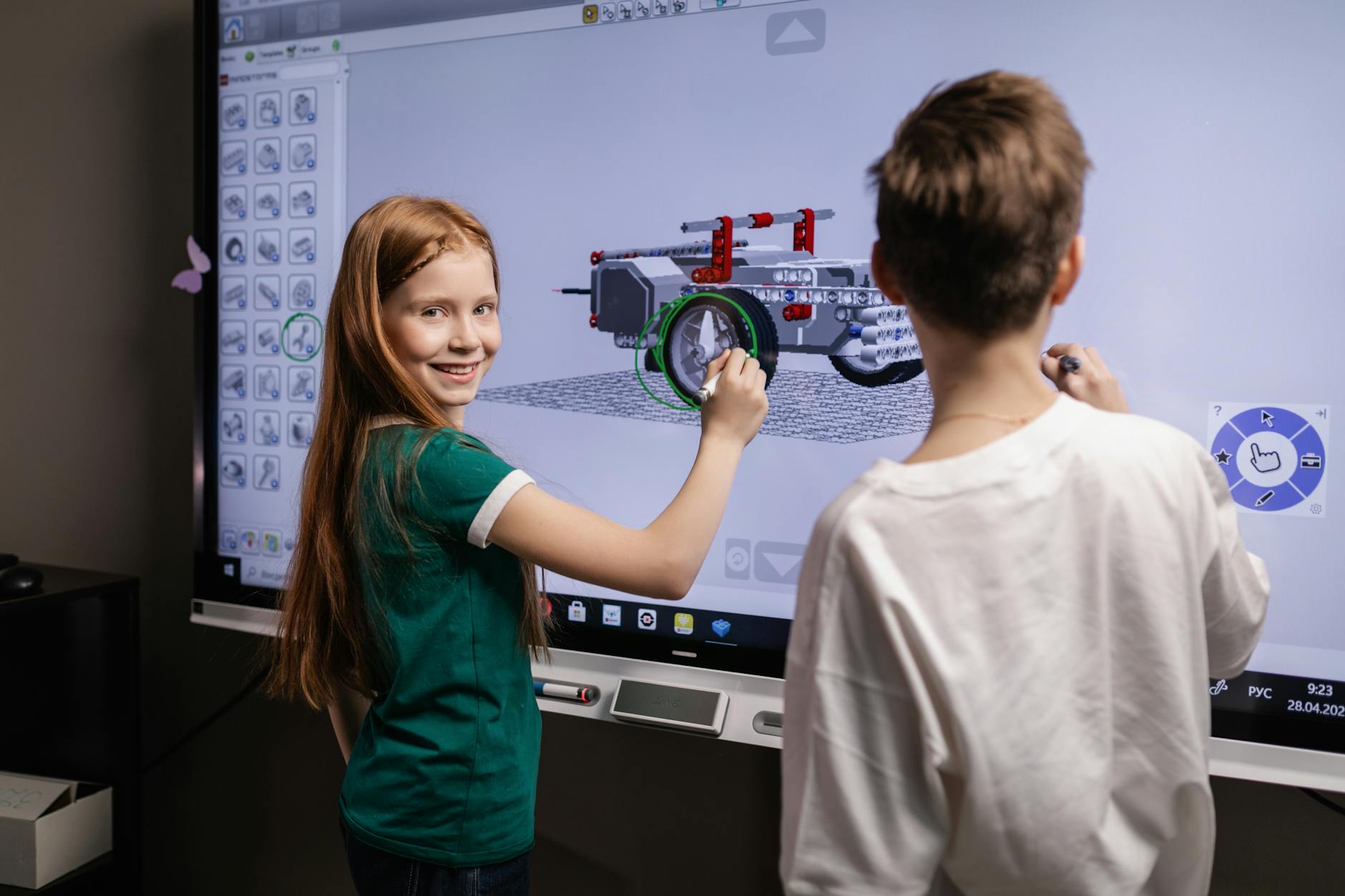
Integrating tools like a motorised projector screen adds another dimension, enabling dynamic presentations and seamless transitions between learning modules. For a school facility manager like Simon Jett, these screens transform classrooms into interactive learning hubs, vital for keeping students engaged.
Consider these factors when upgrading:
- Evaluate the environment: Each venue, from classrooms to theatres, influences sound quality.
- Choose adaptable equipment: Systems that adjust to change, like modern microphones and screens, ensure longevity.
Leveraging sound design techniques—tailored to each space—can elevate audio experiences, making them feel as immersive as a top-notch Brisbane concert. As echoed by the dynamic energy of South Bank Parklands events, integrating modern technologies can empower you to create soundscapes that inspire.
Benefits for Educational Institutions
Improving Student Engagement
Enhancing student engagement in modern classrooms relies heavily on integrated audio solutions. A quality recording microphone can capture lectures and discussions with precision, making them available for students to revisit. This feature is particularly beneficial for auditory learners. Furthermore, tools like mesh radios allow seamless communication across campus, promoting an interactive learning environment.
Leveraging Multi-Purpose Spaces
Multi-purpose spaces are vital in educational settings as they offer flexibility for various activities, from drama performances to lectures. Efficient use of these spaces depends on adaptable audio-visual equipment. Consider the inspiration we draw from live sound venues in Fortitude Valley when planning acoustics that cater to both large gatherings and intimate workshops. The combination of a robust sound system with flexible audio devices means these spaces can easily transform to meet the needs of different events.
Long-Term Considerations
Long-term planning is crucial when investing in audio equipment for educational institutions. Choose durable, future-proof solutions that integrate well with existing systems. This saves costs in the long run and ensures reliability over time. Prioritizing efficiency and longevity in your selections not only enhances the learning environment but also supports educational goals for years to come.
Avoiding Common Mistakes in Sound Design
Prioritise Acoustic Checks
One of the most frequent oversights in sound design is neglecting thorough acoustic checks. Imagine setting up for a recording session just outside the Queensland Performing Arts Centre – the vibrant location offers so much potential for capturing unique acoustics. However, failing to assess the sound environment could lead to challenges like unwanted echoes or background noise seeping into your recordings. Whether you’re recording with a top-notch recording microphone or trialing new gear in a home studio nestled within South Bank Parklands, taking the time to examine the space's acoustic properties will be invaluable.
Future-Proofing: An Essential
Another common pitfall is overlooking future-proofing techniques. In the fast-paced world of audio technology, innovation is weaving its way into every crevice, transforming our live experiences in Brisbane's Fortitude Valley and beyond. By investing in adaptable setups and upgradable equipment, you’re setting up your home entertainment system to weather the tides of technological change. Integrating flexible tech like modular sound systems and wireless connectivity can extend the shelf life of your audio setup significantly.
Heed User Feedback for Growth
Understanding the significance of user feedback is crucial too. Engaging with fellow sound enthusiasts and professionals in the vibrant communities around Fortitude Valley’s live sound venues can offer immense insights into your setups. Tuning your equipment based on experienced feedback not only enhances the user experience but also refines your sound design aims. Whether using innovative sound design techniques in educational spaces or personal projects, feedback paves the way for continuous improvement and audio excellence.
Transforming your project space by avoiding these common mistakes will undoubtedly boost your audio endeavors to a professional and inspiring level. By learning from these insights, Brisbane’s budding sound designers are well on their way to redefining their audio landscapes.